Behind the Scenes: A Day in the Life of an Indianapolis Private Investigator


Introduction to the World of Private Investigation
Have you ever wondered what it’s like to be a private investigator in Indianapolis? It’s a profession filled with intrigue and a daily dose of unpredictability. From surveillance to research, each day offers a new challenge. Let's explore a typical day in the life of a private investigator in the heart of Indiana.

Starting the Day with Preparation
The day begins early with meticulous planning. Private investigators often start by reviewing their case files, ensuring they have all necessary details at their fingertips. This preparation is crucial, as missing even a small piece of information can impact the investigation's outcome.
Equipped with the latest technology and tools, investigators set their objectives for the day. They may need to gather evidence, conduct interviews, or perform surveillance. Each task requires a strategic approach tailored to the unique circumstances of the case.
Tools of the Trade
Investigators rely on a variety of tools and gadgets. From high-quality cameras to GPS tracking devices, these tools help gather vital information. The use of discreet recording equipment is also common, allowing investigators to document conversations without being detected.

The Art of Surveillance
Surveillance is a core component of private investigation. It involves observing and documenting a subject's activities without being noticed. Investigators must be patient and attentive, often spending hours in their vehicles or on foot, waiting for the right moment to capture evidence.
Indianapolis offers a diverse landscape, from bustling urban areas to quiet suburban streets, each presenting unique challenges and opportunities for surveillance. Investigators must adapt quickly to these environments, using their skills to remain undetected.
Challenges in the Field
Conducting surveillance is not without its challenges. Weather conditions, traffic, and the unpredictability of human behavior all play a role. Investigators must think on their feet and adjust their plans as needed to ensure success.
Gathering and Analyzing Evidence
Once evidence is collected, the next step is analysis. Investigators meticulously review their findings, looking for patterns or clues that can provide insight into the case. This analysis often involves cross-referencing data, verifying information, and piecing together the puzzle.
Attention to detail is paramount. A single piece of evidence can make or break a case, and investigators must ensure every angle is covered. Collaborating with other professionals, such as forensic experts or legal advisors, is also common to strengthen their findings.
Reporting and Client Communication
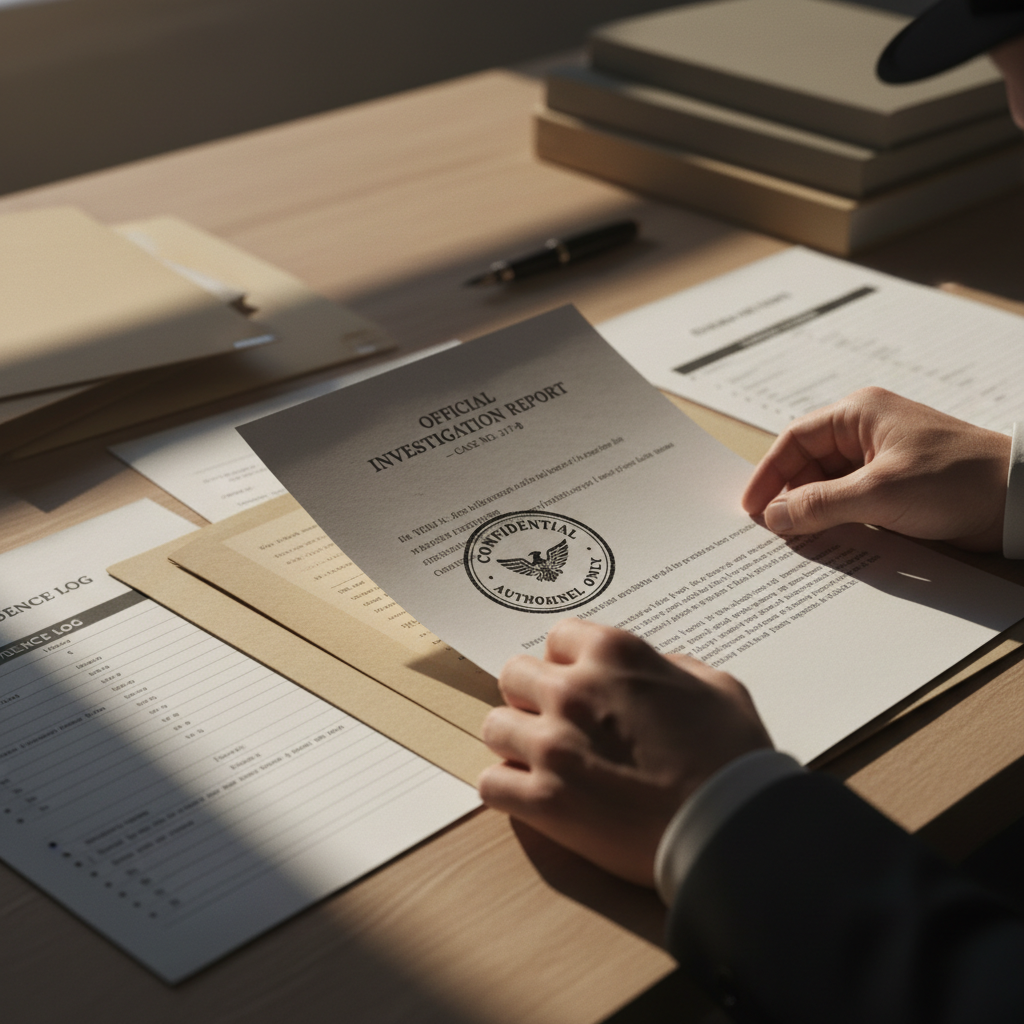
The final stage of the day involves compiling a comprehensive report for the client. This report includes all gathered evidence, analysis, and any conclusions drawn. Clear and concise communication is essential to ensure clients understand the findings and implications.
Throughout the process, maintaining confidentiality and professionalism is key. Clients trust investigators with sensitive information, and it’s the investigator’s duty to protect that trust.